Greenhouse Water Recirculation: closing the loop on every drop

Water is one of horticulture's most critical resources, and in a greenhouse, it is also one of the most controllable. At Van der Hoeven, water recirculation and reuse are standard components in every project we design. By closing the water loop, our greenhouse systems reduce freshwater consumption to a fraction of what open-field farming requires.

Why greenhouse horticulture is suited to water recirculation

Unlike open field farming, a greenhouse provides a controlled environment where water flows can be carefully managed, treated, and reused. By combining efficient irrigation with drain water recirculation, condensate recovery, and water treatment, growers can significantly reduce their dependence on freshwater.

At Van der Hoeven, water management is therefore an integral part of the greenhouse concept. Especially in regions where water is scarce, expensive, or subject to strict regulations, efficient water use is not only an environmental consideration. It also contributes to lower resource use, greater operational resilience, and a stronger business case.

Up to 87% less water
Controlled Environment Agriculture can significantly reduce water use compared with open field farming.
The three pillars water recirculation

1. Drain Water Recirculation
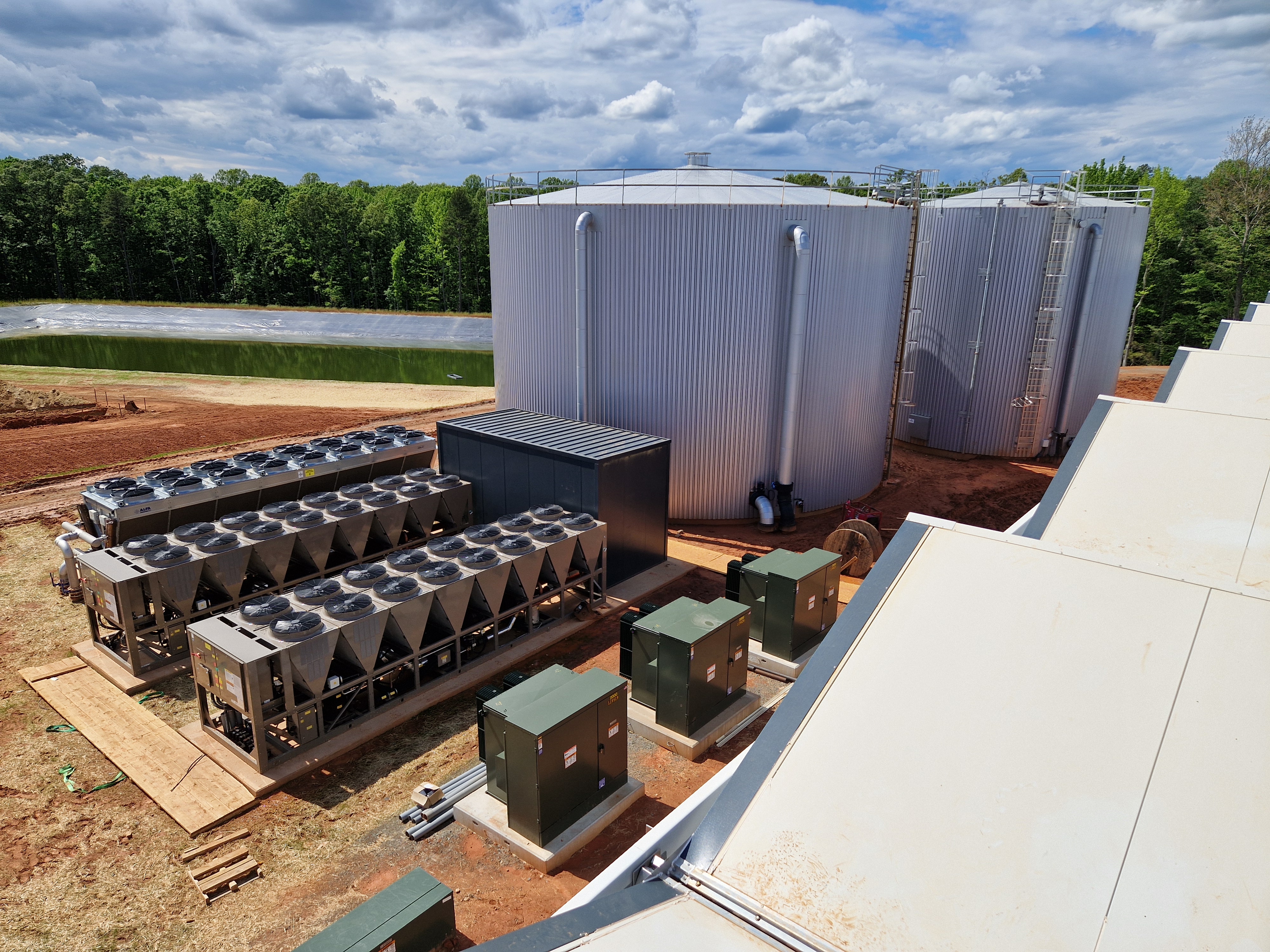
In hydroponic cultivation, not all irrigation water is absorbed by the crop. The remaining drain water still contains valuable water and nutrients. By collecting, treating, and reusing this water within the irrigation system, both freshwater demand and fertilizer use can be reduced.

At Van der Hoeven, drain water recirculation is considered as part of the overall water strategy, with treatment technology selected according to the crop, water quality, and project conditions.

2. Air Cooler Condensate Recovery
Crops release large amounts of water vapor through transpiration. In semi closed and closed greenhouse concepts, part of this moisture can be recovered through the climate system. After appropriate treatment, the condensate can be reused as a source of irrigation water.

This creates another water loop within the greenhouse and further reduces the need for external freshwater.

3. Non-Conventional Water Sources
Local water availability differs strongly from one project to another. Where conventional freshwater sources are limited, alternative sources can be considered as part of the overall water strategy.

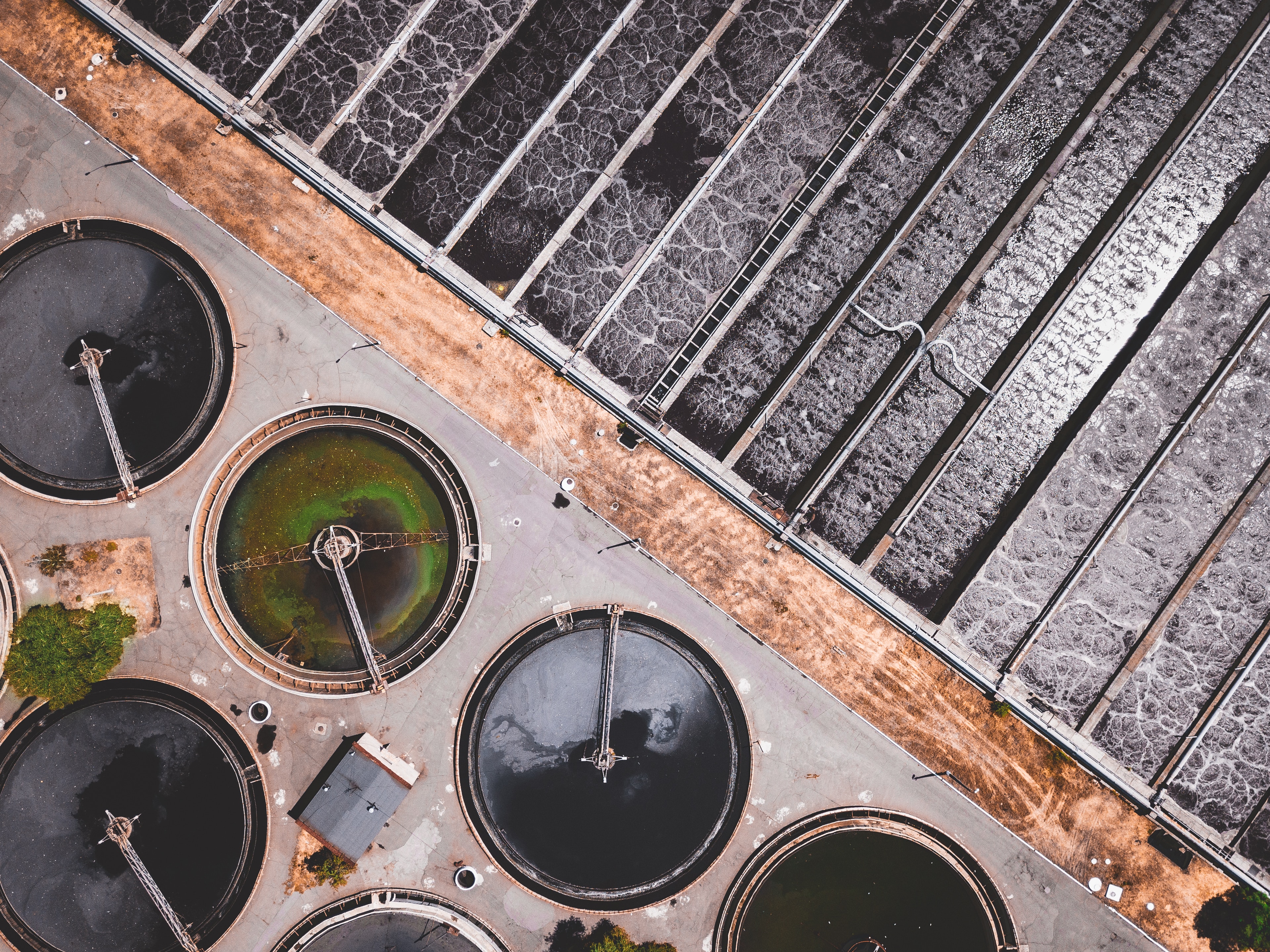
Depending on local conditions and water quality, treatment technologies can make different water sources suitable for irrigation,including treated domestic wastewater, industrial effluent, and seawater.
This gives Van der Hoeven more flexibility to develop greenhouse concepts in regions where good quality freshwater is limited.

Greenhouse water recirculation in practice

The following projects show how we apply water recirculation across different climates, water sources, and system configurations.

Designing water recirculation into the greenhouse from day one

Water recirculation is an integral part of the greenhouse concept. Its performance is closely connected to the greenhouse structure, climate strategy, substrate, irrigation infrastructure, and water treatment system. These elements need to work together to achieve efficient and reliable water use.

At Van der Hoeven, we therefore include water management from the first stages of a project. Based on local water conditions, crop requirements, and the greenhouse concept, we determine the right combination of technologies and integrate them into one complete system. This ensures efficient water use while supporting reliable commercial production.

The business case for greenhouse water recirculation

Water recirculation is not only about using water responsibly. It also makes sense from a business perspective. By reducing the need for freshwater and making better use of available resources, growers can lower operating costs and become less dependent on local water availability.

In regions where water is scarce or discharge regulations are strict, an integrated water system becomes even more important. A well designed recirculation system helps growers meet local requirements, manage water and nutrients efficiently, and create a more resilient greenhouse operation for the long term.

Frequently Asked Questions

What is drain water recirculation in a greenhouse?

Drain water is the portion of irrigation water that is not absorbed by the crop. In a recirculating greenhouse, this water is collected, sterilized, and fed back into the irrigation system rather than discharged. It reduces both freshwater use and fertilizer consumption, since the nutrients dissolved in drain water are retained rather than wasted.

How does a greenhouse reduce water use to near zero?

The combination of drain water recirculation and air cooler condensate recovery allows a closed greenhouse system to meet most of its water demand from internal sources. Drain water is reused in the irrigation circuit, and the water that crops release as vapor is captured, treated, and returned as irrigation water. In some Van der Hoeven projects, this brings net freshwater intake to nearly zero.

Can a greenhouse use seawater for irrigation?

Yes, with on-site desalination. At SunDrop Farms in Australia, Van der Hoeven implemented a Multiple Effect Distillation system powered by concentrated solar energy. Seawater drawn from the Spencer Gulf is desalinated on-site to produce water that meets hydroponic irrigation standards, covering the full water demand of the 20-hectare greenhouse.

Can treated wastewater be used in hydroponic greenhouses?

Yes, but it requires additional treatment. Treated domestic or industrial wastewater typically meets standards for open-field irrigation but not for hydroponic cultivation. At Perfection Fresh in Australia, Van der Hoeven implemented advanced on-site purification to bring the treated wastewater to the quality level required for hydroponic tomato production.

What is air cooler condensate and how is it used in a greenhouse?

When crops transpire, they release water vapor into the greenhouse air. In a semi-closed or closed greenhouse, the climate system actively removes this moisture. The extracted water, called condensate, can be collected and treated to produce high-quality irrigation water. This reduces the greenhouse's dependence on external water sources and is one of the most effective ways to achieve near-zero water discharge.

What does zero liquid discharge mean for a greenhouse?

Zero liquid discharge means that no water from the greenhouse, whether drain water, runoff, or treated effluent, is discharged from the site. All water that enters the system is reused internally. This standard was established in the Dutch greenhouse industry and is increasingly required in other markets as water scarcity and environmental regulations intensify. Van der Hoeven designs to zero liquid discharge as a baseline for all projects.

Is water recirculation more expensive to set up?

The upfront investment in water treatment and recirculation infrastructure adds to the initial project cost, but it reduces long-term operating costs by cutting freshwater purchases, fertilizer use, and potential regulatory penalties. In regions where water is scarce or expensive, the payback period is typically short. Where zero liquid discharge is legally required, it is not an option but a compliance requirement.

How does Van der Hoeven integrate water recirculation into greenhouse design?

Water management planning begins at the first consultation. We assess local water availability, quality, and cost; choose the appropriate combination of drain water recirculation, condensate recovery, and non-conventional water treatment; and integrate all components into the overall greenhouse design from the start. This ensures that water infrastructure is sized correctly, positioned efficiently, and coordinated with the climate and irrigation systems.

Speak with our Water Recirculation expert

Discover how Water Recirculation can transform your urban region.

Jessie-Lynn
van Egmond

Water & Sustainability Manager